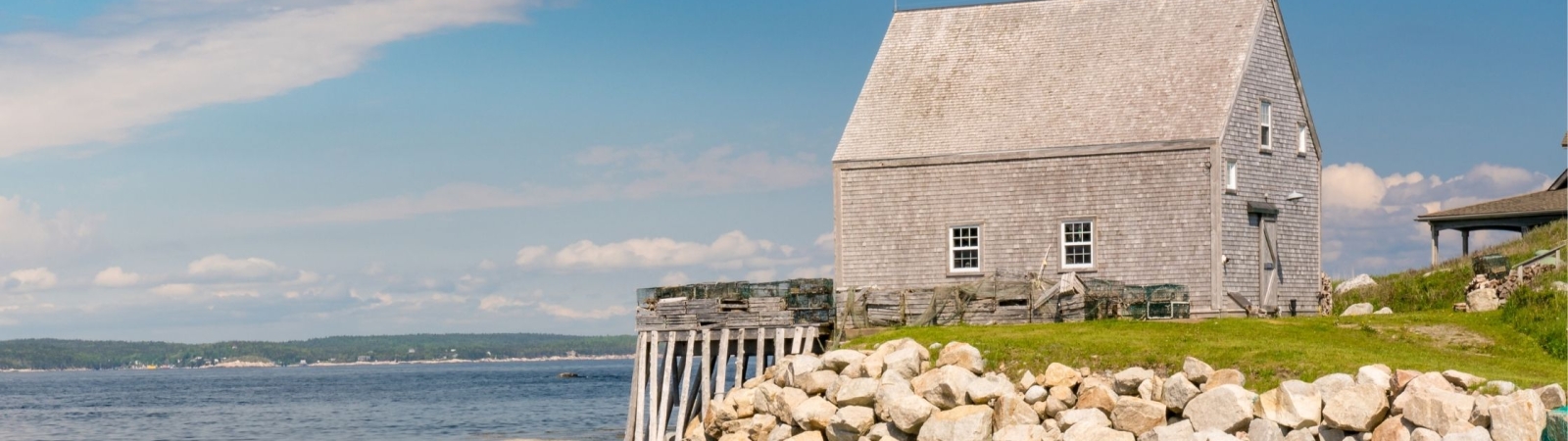
Coastal access refers to how people get to and move along the coastline. Access is not equal and the nature and quality of shoreline access can vary greatly from place to place.
Nova Scotia’s 13,000+km of coast experiences a very high degree of private property ownership. An often and long quoted figure is that roughly 86 per cent of our coast is privately owned. The coast is also a very complex space with competing jurisdictions of all levels of government.
As a result, coastal access in Nova Scotia is difficult to navigate, whether one is trying to launch a small boat, hike along the coast or access shoreline for recreational fishing. The problem of coastal access is a long-standing in Nova Scotia.
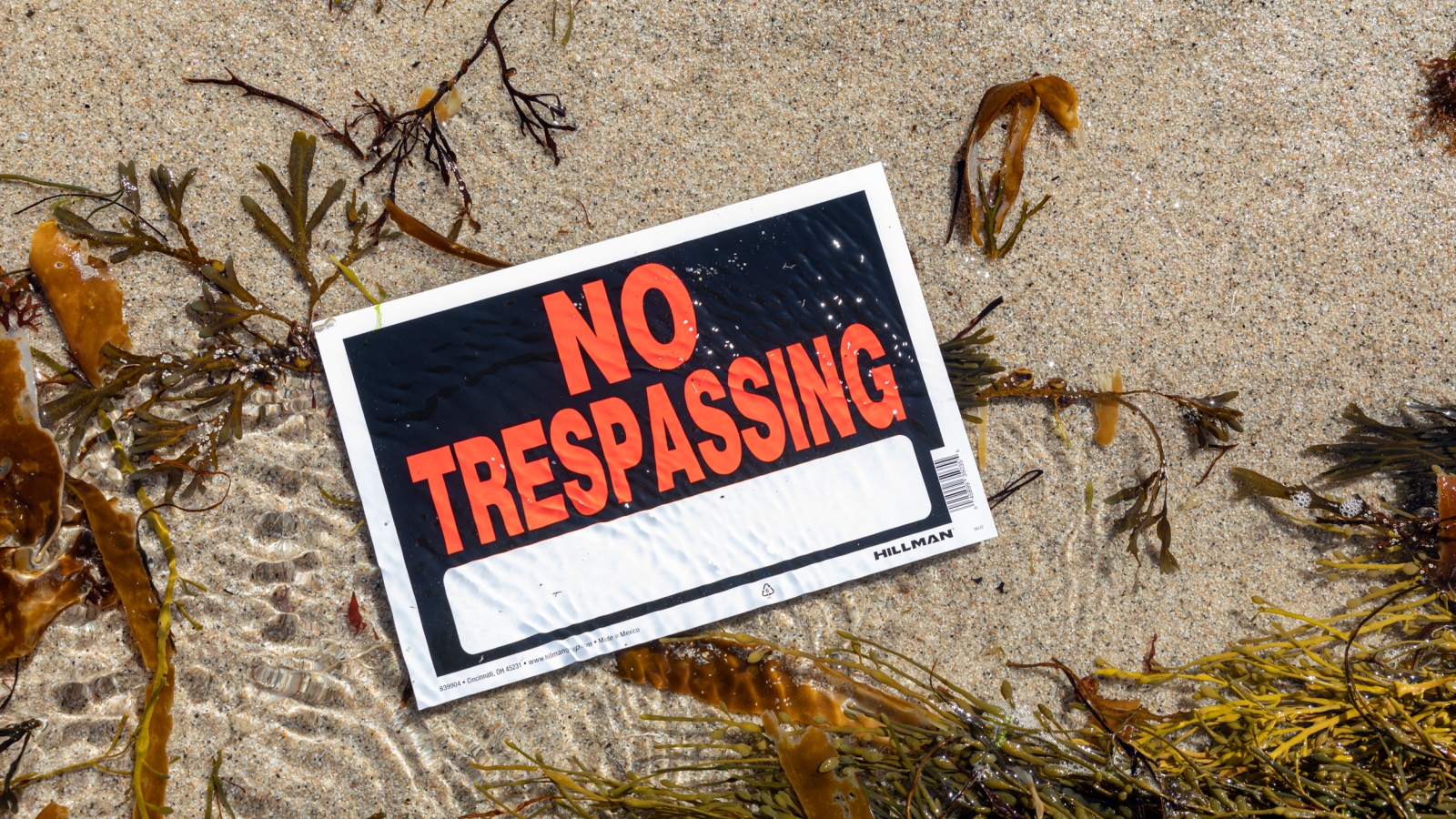
This issue has been highlighted by numerous research and consultancy reports over the past several decades. Despite being a well-known issue that repeatedly causes conflict in coastal communities across Nova Scotia, it has never been a policy priority in the province.
Have a coastal access concern or question? Click here to contact the Coastal and Water team
Why Coastal Access Matters
Why Coastal Access Matters
Access to the coast is critical for a province that prides itself on being Canada’s Ocean Playground. Being able to access our diverse and beautiful coastline is key for recreation, mental and physical wellbeing – these foster healthy communities but also help us connect and appreciate our coastal spaces. It is a cornerstone of our coastal and marine economy (think fisheries and tourism). Small scale producers (such as kelp and shellfish farmers), community, conservation and research groups all rely on access to the coast and surrounding waters. It is also important to highlight that coastal access challenges impact the cultural and spiritual needs Indigenous peoples and other groups who place importance on being on the coast.
Inequities of Coastal Access
Inequities of Coastal Access
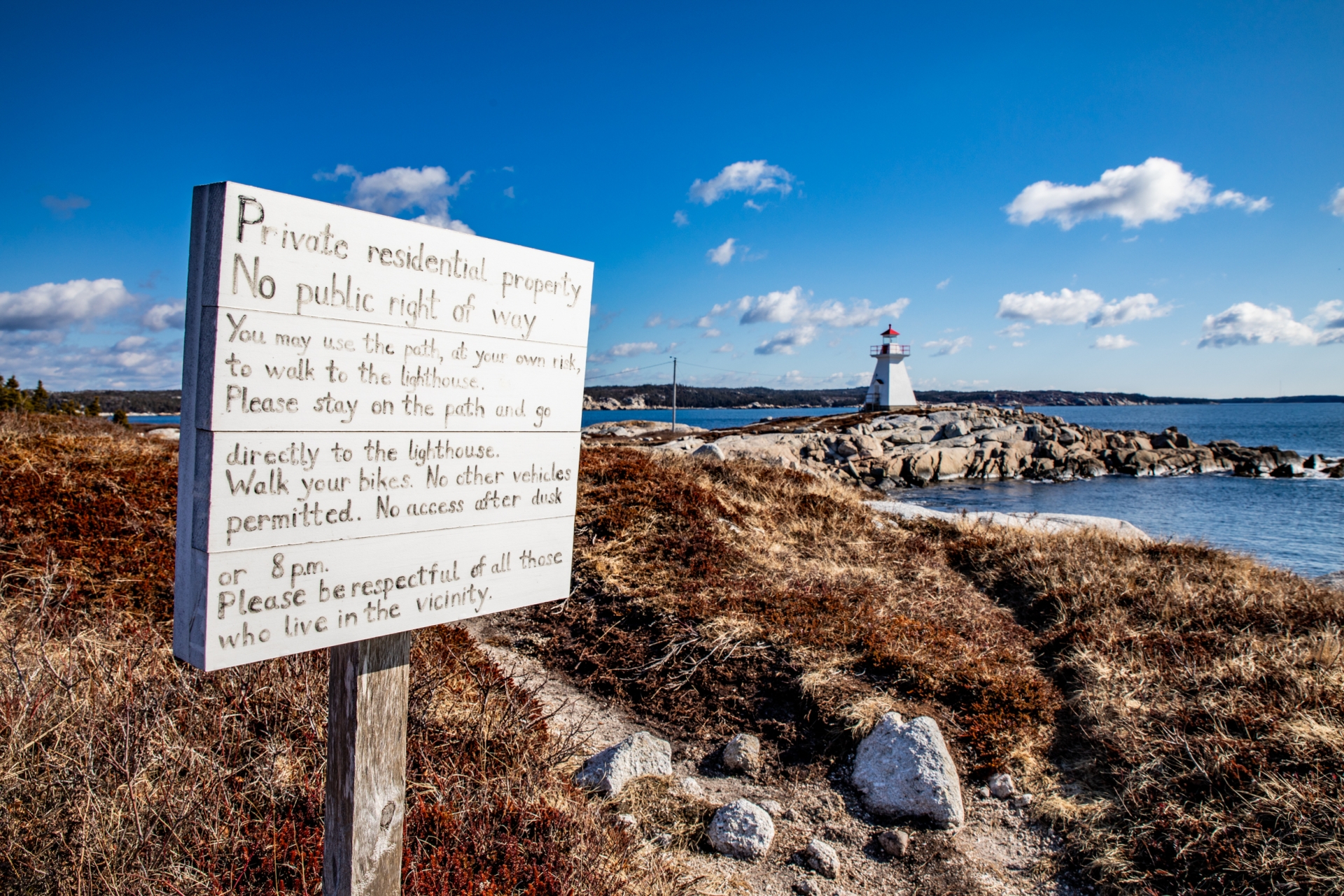
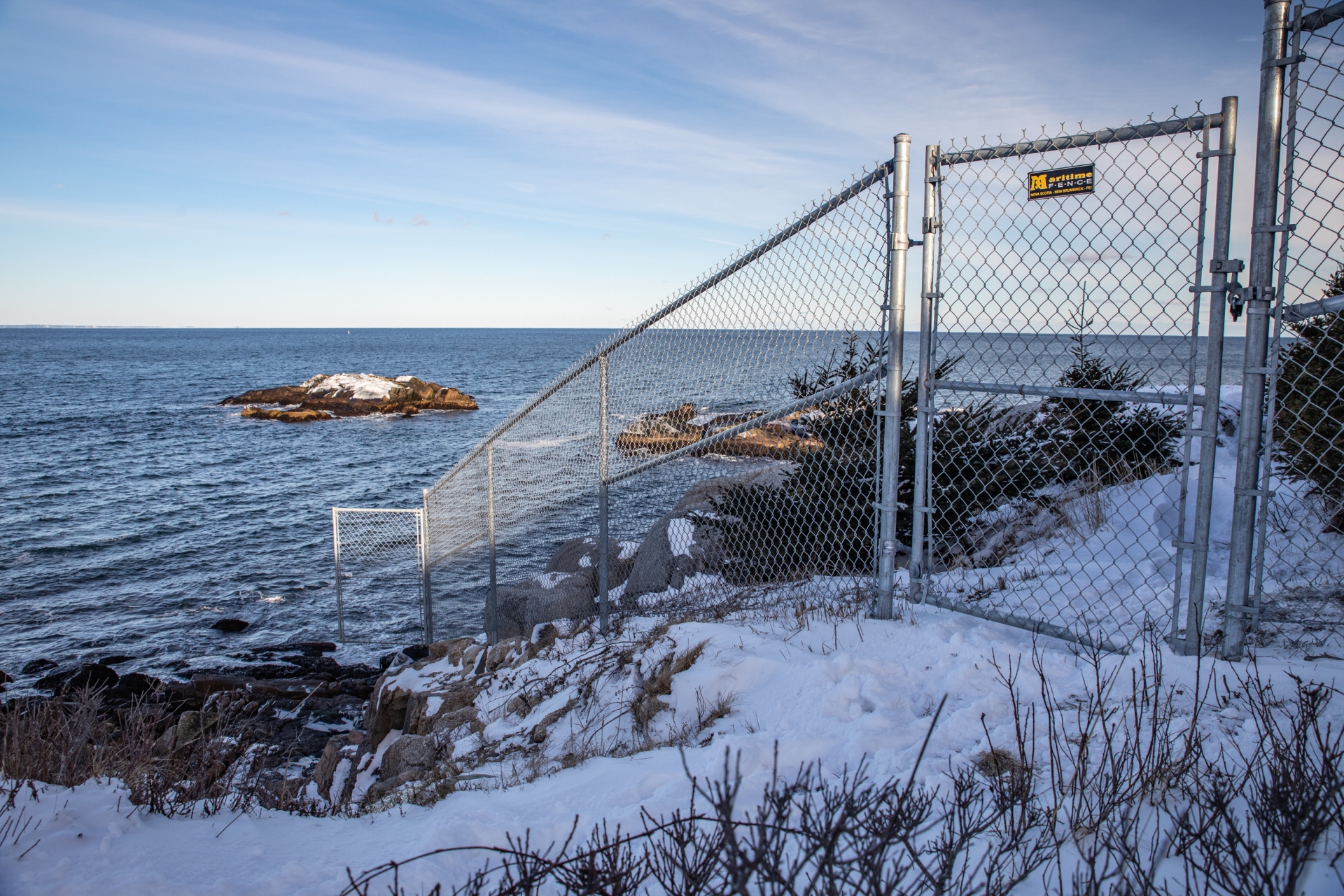
The jurisdictional complexities that exist on the coast today are a direct result of our colonial history where coastal lands were parcelled off as private property. Collectively and cumulatively, this has created a ‘wall’ of private land that lines the coast, resulting in a patchy, inconsistent and often tenuous coastal access regime that is difficult for people to navigate. This is often exacerbated when coastal property changes hands, particularly when the new owners are unaware of long-standing community norms. These dynamics pit private interest against the public good along the coast, highlighting historical and existing equity issues when it comes to who can get to and be on the coast.
While the Coastal Protection Act never considered coastal access, coastal access and coastal protection are closely intertwined. The ability of people to get to the coast is impeded by the ‘wall’ if private property we described above on one hand and coastal processes on the other. Both serve to squeeze the coast. It is here that unregulated development and the impacts of climate change (sea level rise, erosion, coastal flooding) pose a multitude of threats to our ability to get to and navigate along coastal spaces.
The Coastal Access Working Group
The Coastal Access Working Group is comprised of cross-sectional researchers, practitioners and advocates who are working together to advance our understanding of coastal access in our region through engagement, mapping coastal access and research.
Meet the Team
Meet the Team
 Dr. Patricia Manuel is a retired professor of planning at Dalhousie University with post-retirement appointments in the School of Planning and the Marine Affairs Program. As a geographer and environmental planner, with expertise in wetlands, watersheds, and coastal systems, Patricia supports communities in their efforts to ensure that land use and development respects natural systems. Throughout her career working in coastal places, Patricia has also studied coastal access and in recent years has been working with students and colleagues to build an inventory of publicly owned access around Nova Scotia's coast. An inventory is an important tool for securing and growing access in a province where coastal access for the public cannot be taken for granted.
 Mike Kofahl is a staff lawyer at East Coast Environmental Law whose work focuses on coastal and marine environmental law and policy. Mike's interest in coastal access stems from his legal research on coastal protection and management law, and his advocacy for stronger laws in Atlantic Canada for the coast. Mike has produced public legal education materials and reports about coastal access, and delivered community workshops that explored how coastal access intersects with other areas of coastal governance.
 Dr. Hannah Harrison works as an assistant professor in the Marine Affairs Program at Dalhousie University. Hannah’s interest in coastal access stems from growing up in Alaska where access to the ocean is a fundamental part of life and livelihoods. Today, she is interested in how coastal access conflicts emerge, evolve, and impact communities and policy in Nova Scotia and Atlantic Canada more broadly. As part of this work, Hannah co-leads the Coastal Access Project and co-created the award-winning Right of Way podcast.
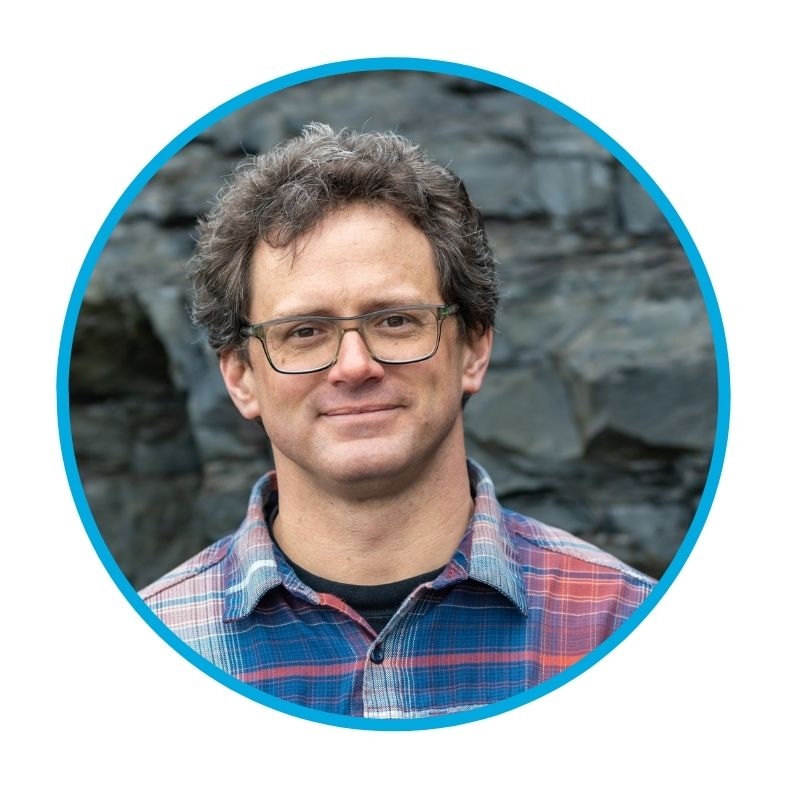 Nicolas Winkler is the EAC’s coastal adaptation coordinator. Nicolas grew up in the Caribbean island of Grenada that has informed his work as an interdisciplinary ocean advocate with a background in marine biology, international development and marine management. His interest in human-ocean relationships has led him on storytelling journeys through photography, film and podcast covering topics from sea turtle conservation in the Caribbean to great white sharks and coastal access in Nova Scotia. Nicolas is passionate about the complex socio-ecological challenges of the coast including access, development, equity, climate change and conservation.
 Lily Hull (ICAS Symposium Coordinator) is a fourth-year student at Acadia University doing a double major in Community Development and Environmental Sustainability Studies with Honours. Lily is completing a co-op with the Ecology Action Centre, supporting work related to designing, organizing and implementing the International Coastal Access Symposium. Lily bring a creative, community-oriented approach, strong communication skills and a passion for making the world a better place.
Other members of the Coastal Access Working Group include numerous former volunteers, interns, undergraduates and graduate students.
Recent works from members of the Coastal Access Working Group include:
- Coastal Access in Prince Edward Island and Nova Scotia (East Coast Environmental Law Summary Series).
- Coastal Zone Canada 2025 - Coastal Access Workshop Report
- Right of Way limited series coastal access podcast
International Coastal Access Symposium 2026
.png)
On March 26, 2026, the Coastal Access Working Group (CAWG), based in Nova Scotia, Canada, hosted the inaugural International Coastal Access Symposium (ICAS). This virtual symposium invited speakers from around the world to share stories, research and policy insights and advances related to protecting, preserving and enhancing public coastal access. Hosted in partnership with the Ecology Action Centre, Dalhousie University and East Coast Environmental Law, this free event aimed to enhance public discussions about coastal access and create an opportunity for participants to learn from each other and contribute to ongoing advancements in coastal access research and advocacy.
The symposium was structured around four sessions of live presentations, each with time for questions, discussions and informal networking.
The following symposium resources are freely available to anyone interested:
ICAS 2026 Program
ICAS 2026 Summary Report
ICAS 2026 Presentation Recordings